
The Gold Standard
in Bariatric And Metabolic Surgery
Read More
PROCEDURE DURATION
EXCESS WEIGHT LOSS
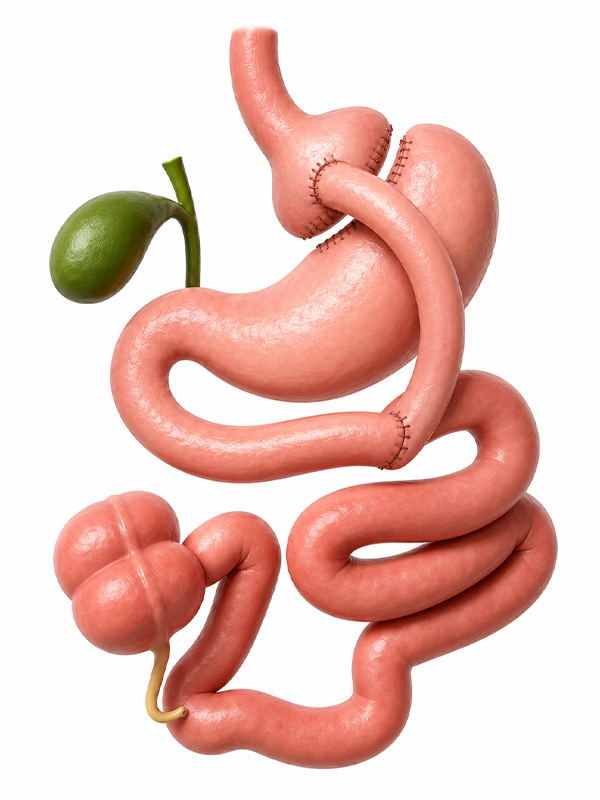
RYGB is a bariatric surgery that creates a small stomach pouch and connects it directly to the small intestine. This reduces food intake and calorie absorption while also influencing hunger and blood sugar regulation, for lasting weight loss and comorbidity resolution.
Procedure Overview
-
PROCEDURE TYPE: Restrictive Metabolic Surgery
-
TECHNICAL APPROACH: Laparoscopy / SILS / Robotic
-
SURGERY DURATION: 40–50 Minutes
-
FULL RECOVERY: 3–4 Weeks
-
WEIGHT LOSS: 65–80% Excess Weight
-
COMORBIDITY RESOLUTION: 60–80%
Bariatric Surgery
The Gold Standard in Bariatric And Metabolic Surgery
Roux-en-Y Gastric Bypass is widely considered the gold standard in bariatric and metabolic surgery. The procedure creates a small stomach pouch roughly the size of an egg and reroutes a section of the small intestine, combining restriction with malabsorption to achieve superior weight loss results and metabolic improvement.
RYGB is particularly effective for patients with Type 2 diabetes and those who tend toward sweet or calorie-dense foods. By bypassing the duodenum and upper jejunum, the procedure triggers powerful hormonal changes that curb appetite and improve insulin sensitivity, often resolving diabetes within weeks of surgery.
01. Who It's For
RYGB is recommended for patients with significant obesity and associated metabolic conditions, particularly those who have not achieved lasting results through diet, exercise, or less invasive procedures.
- BMI greater than 30 with obesity-related co-morbidities
- Patients who are 30+ kg overweight with metabolic syndrome
- Sweet eaters and heavy calorie consumers
- Patients with uncontrolled Type 2 diabetes or hypertension
02. How It Works
The Baros surgical team performs RYGB through a combination of restriction, malabsorption, and hormonal modification — three mechanisms working together for optimal outcomes.
Gastric Pouch Creation
A small stomach pouch is created, drastically limiting food intake per meal.
Intestinal Bypass
The duodenum is bypassed and the pouch connects directly to the jejunum.
Hormonal Satiation
Food reaches the lower intestine faster, triggering early and lasting fullness signals.
Metabolic Reset
Insulin sensitivity improves rapidly, often resolving Type 2 diabetes within weeks.
03. Expected Outcomes
RYGB consistently delivers among the best long-term outcomes of any bariatric procedure. Patients at Baros Apollo can expect:
- 65–80% excess weight loss sustained over the long term
- Rapid improvement in Type 2 diabetes and insulin resistance
- Reduced blood pressure, cholesterol, and cardiovascular risk
- Resolution of 60–80% of obesity-related comorbidities
India’s leading bariatric & metabolic surgery centre at Apollo Hospitals, Chennai. Expert surgical care, proven outcomes, and lifelong support
Contact Info:
-
Address:
Institute of Bariatrics, Apollo Hospitals, 21 Greams Lane, Chennai 600006
-
Email: care@baros.surgery
-
Phone: +91 99440 99440