
Non-Surgical Solutions
for Lasting Weight Loss
Read More
Clinic
Weight Loss
Bariatrics
Not every patient requires surgery. Medical weight management offers a comprehensive, evidence-based pathway combining lifestyle modification, FDA-approved obesity management medications, and endoscopic procedures
Treatment Overview
-
Treatment Type: Non-Surgical / Medical
-
Program Duration: 3–12+ Months
-
Weight Loss: 5–20% Total Body Weight
-
Approach: Lifestyle + OMM + Endoscopic
Medical Weight Management
Non-Surgical Solutions for Lasting Weight Loss
Not every patient requires surgery. Medical weight management offers a comprehensive, evidence-based pathway combining lifestyle modification, FDA-approved obesity management medications, and endoscopic procedures — achieving meaningful weight loss without a single surgical incision.
At Baros Apollo, the medical program is supervised by the same bariatric team that performs surgery, ensuring clinical rigor at every stage. Whether as standalone treatment or a bridge to surgical intervention, this approach delivers 5–20% total body weight loss with proper adherence.
First-Line Treatment
Lifestyle Management — The Foundation
First-line weight loss programs focus on lifestyle modifications including balanced diet, regular exercise, proper sleep, stress management, and behavioral changes. Most patients realistically achieve and sustain 5–10% total weight loss over the long term through these changes alone.
Diet & Exercise Planning
Calorie control, portion management, and 150+ minutes weekly strength and cardio training.
Behavioral Counseling
Sleep hygiene, stress management, and habit modification under expert guidance.
- 5–10% total weight loss sustained with lifestyle changes alone
- Foundation for all other weight management therapies
FDA-Approved Treatments
Obesity Management Medications
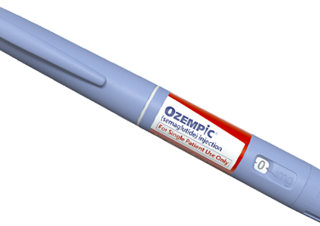
Semaglutide Injection
Ozempic and Wegovy contain semaglutide, a once-weekly GLP-1 agonist. Doses from 0.5 to 2.4 mg. Delivers 10–13% total weight loss with significant cardiovascular benefits and improved metabolic control.
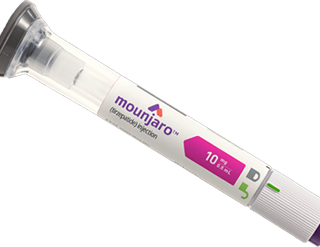
Tirzepatide (Mounjaro)
Dual GIP & GLP-1 receptor agonist. Once-weekly injection, 2.5–15 mg. Achieves 12–16% total weight loss with significant visceral fat reduction. Combining with EndoBariatrics may push total loss up to 20%.
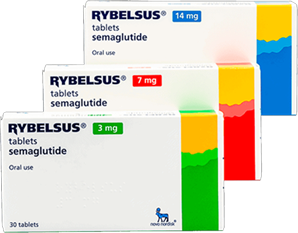
Semaglutide Tablets (Rybelsus)
Oral daily GLP-1 agonist taken before food. Available in 3, 7, and 14 mg doses. Supports 7–10% weight loss and improves metabolic and cardiovascular health without injections.
Non-Surgical Procedures
Endoscopic Bariatrics
Procedures Performed Through the Mouth
Endoscopic Sleeve Gastroplasty
Stomach reduced via endoscopic suturing under anesthesia. Day care or overnight stay. Up to 20% total weight loss with OMM and healthy lifestyle.
Intragastric Balloon
Soft silicone balloon placed in stomach with 500–750 cc saline fill. Creates early fullness. Removed after 12 months. Expected 10–15% total weight loss.
Swallow Intragastric Balloon
Swallowable capsule balloon — no endoscopy needed for placement. Reduces appetite and supports lifestyle changes with minimal intervention.
Combined with OMM
Adding obesity management medications to any endoscopic procedure improves total weight loss and sustainability — long-term medication compliance is key.
How Medications Work
GLP-1 and GIP-based medications work through multiple mechanisms to support weight loss. They are not a quick fix — medicines need to be taken long term for sustained weight management, and work best when combined with lifestyle changes and clinical monitoring.
Appetite Regulation
GLP-1 agonists act on brain receptors to reduce hunger signals and food cravings throughout the day.
Improved Satiety
Slower gastric emptying creates a prolonged feeling of fullness after smaller meals.
Metabolic Improvement
Improved insulin sensitivity and glucose metabolism — directly benefits diabetes and metabolic syndrome.
Visceral Fat Reduction
Targeted reduction of dangerous visceral fat around organs, lowering cardiovascular disease risk significantly.
Who It's For & Considerations
Medical weight management suits a wide range of patients — from moderate obesity to high-risk surgical candidates. Certain contraindications apply for specific medications that must be evaluated during your initial consultation.
- BMI >27.5 with or without co-morbidities
- Patients seeking non-surgical weight loss approach
- High-risk surgical candidates needing a safer alternative
- Bridge therapy before or alongside bariatric surgery
- Contraindication: Diabetic retinopathy, history of pancreatitis
- Contraindication: Family history of medullary thyroid carcinoma
- Risk: Gastric symptoms — acidity, bloating, cramps, reflux
- Risk: High failure / weight regain if medications are discontinued
Treatment Pathways
Compare Your Options
OMM Program
Choose the plan that best fits your needs.
- GLP-1 / GIP medications (injection or oral)
- Personalized diet and exercise planning
- Regular metabolic monitoring and follow-up
- Expected: 12–16% total weight loss
OMM + Endoscopic
Choose the plan that best fits your needs.
- Everything in OMM Program
- Endoscopic sleeve gastroplasty or balloon
- Combined therapy for maximum sustained results
- Expected: up to 20% total weight loss
India’s leading bariatric & metabolic surgery centre at Apollo Hospitals, Chennai. Expert surgical care, proven outcomes, and lifelong support
Contact Info:
-
Address:
Institute of Bariatrics, Apollo Hospitals, 21 Greams Lane, Chennai 600006
-
Email: care@baros.surgery
-
Phone: +91 99440 99440