
Lasting Results Through
Lifelong Support
Explore Aftercare
Yearly Consultation
Support Meets Annually
We provide lifelong aftercare to ensure lasting bariatric success through quarterly consultations, regular tests, weight and health trend assessments, dedicated support group meets, and convenient teleconsultations to maintain optimal health and sustained weight loss.
After Care
Recovery Is a Programme, Not a Pause
The first year after bariatric surgery is the most important year of the journey. Most patients are walking within hours, start liquids the same day and are discharged safely on postoperative day one with detailed instructions — but what happens over the following weeks and months is what decides the result.
Aftercare at BAROS is a structured pathway: a staged return to normal food, deliberate protein and micronutrient support, graded physical activity, and scheduled reviews that catch nutritional deficiencies and weight regain early. Surgery is a powerful tool — not a cure. Lasting weight loss requires lifelong lifestyle change and ongoing support.
- Discharge on postoperative day 1 with a written plan
- Stage-wise diet advanced week by week
- Quarterly reviews in year one, annually thereafter
Post-Operative Diet Progression
Four Weeks, Four Stages
The post-bariatric diet advances in stages to support healing and digestive adaptation. Normal meal tolerance and portion sizes usually return over 8–12 weeks — never rush a stage, and always advance only on your dietitian’s advice.
Clear & Full Liquids
Water, clear soups, thin dal water and protein drinks in small, frequent sips. Hydration and protein come first, volume comes later.
Semi-Solids
Pureed and blended foods of a smooth, lump-free consistency. Portions stay small while the stomach adapts to texture.
Soft Foods
Soft, moist, easily mashed foods. Chew thoroughly, eat slowly and stop at the first sign of fullness.
Bland Regular Diet
A return to regular textures on a bland, low-sugar, low-fat pattern. A balanced healthy diet resumes after one month.
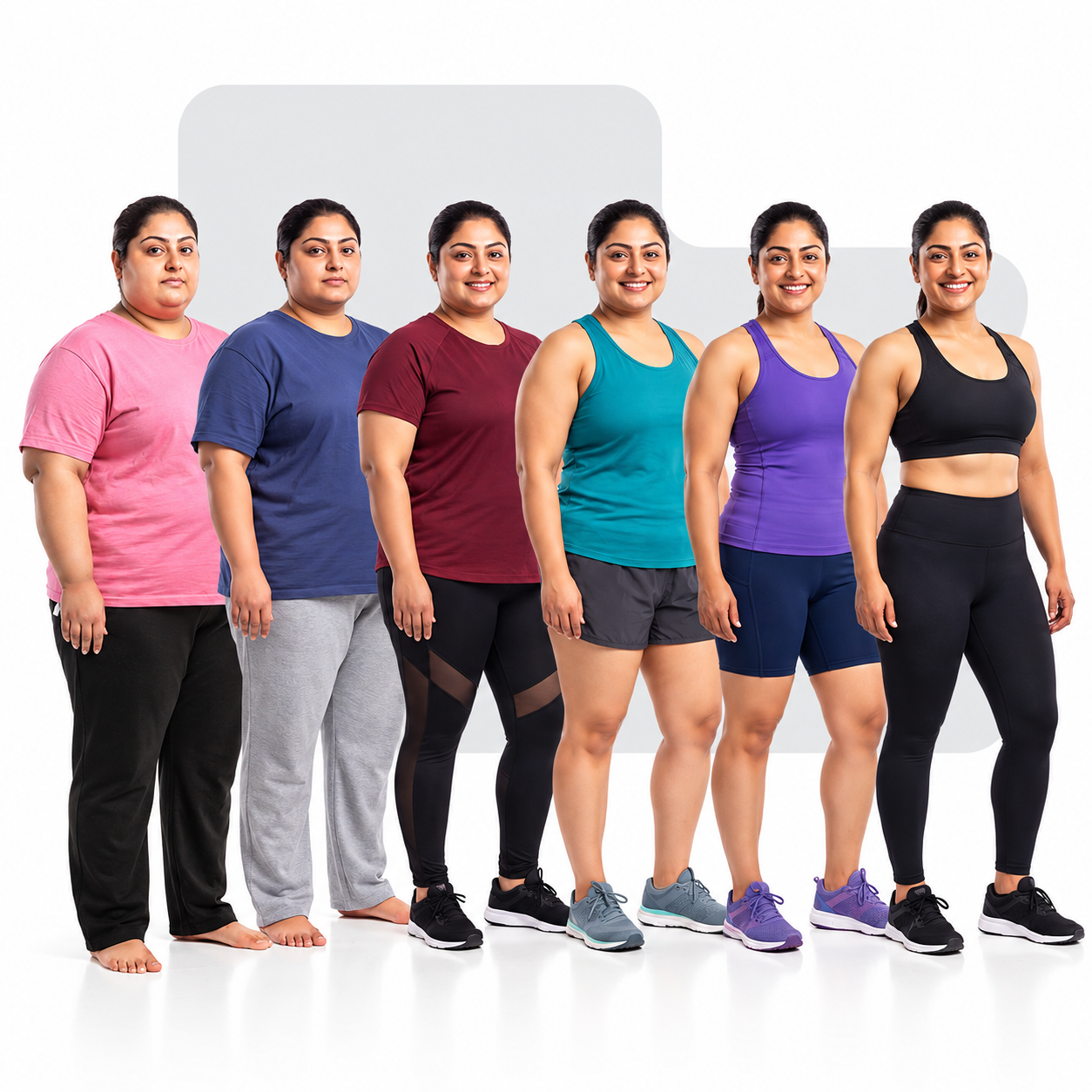
Expected Weight Loss After Surgery
Bariatric surgery results in an average 55–75% excess weight loss, with most of it occurring in the first year and continuing up to 18 months with a healthy lifestyle.
Long-term success depends on healthy eating, portion control and regular exercise — especially strength training that preserves muscle mass — alongside regular nutritional supplementation.
The first year is crucial for building lifelong habits.
EXCESS WEIGHT LOSS
MOST OF THE LOSS
CONTINUED PROGRESS
01. Surgical & Medical Nutrition
Weight loss inevitably reduces calorie intake, which increases the risk of nutritional insufficiency. Adequate protein, vitamin supplementation and regular monitoring are essential for long-term health.
After surgery, reduced intake and absorption raise the risk of deficiencies. Long-term care means small nutrient-dense meals, adequate protein, steady hydration, vitamin supplements and regular monitoring. Poor compliance can lead to severe deficiencies.
- Small, nutrient-dense meals through the day
- Protein at every meal, before carbohydrates
- Hydration between meals, not with meals
- Scheduled blood work and dietitian review
02. On Obesity Medication Therapy
During obesity medication therapy, nutrition emphasises calorie control, high-protein and fibre-rich foods, hydration and portion control, while avoiding sugary and ultra-processed foods.
Regular dietary counselling and follow-up improve weight loss, reduce side effects and support medium-term success.
Protein & Vitamin Supplements
What You Will Be Supplementing
Common post-bariatric deficiencies arise from reduced food intake and absorption. Bariatric-specific supplementation, regular monitoring and follow-up preserve muscle and bone health and support lasting metabolic health. Early recovery usually favours protein drinks and multivitamin soft chews.
Vitamin B12
Absorption drops after surgery; supplemented lifelong and checked on routine blood work.
Protein
Protein drinks early on, then protein-first meals to preserve lean muscle mass during rapid weight loss.
Iron
Monitored regularly to prevent anaemia, with supplementation tailored to your blood results.
Vitamin D & Calcium
Taken together to protect bone density as weight falls and intake reduces.
Folate
Part of the bariatric-specific multivitamin, and especially important before any planned pregnancy.
Multivitamin
A complete bariatric formulation — soft chews are easiest in the first weeks.
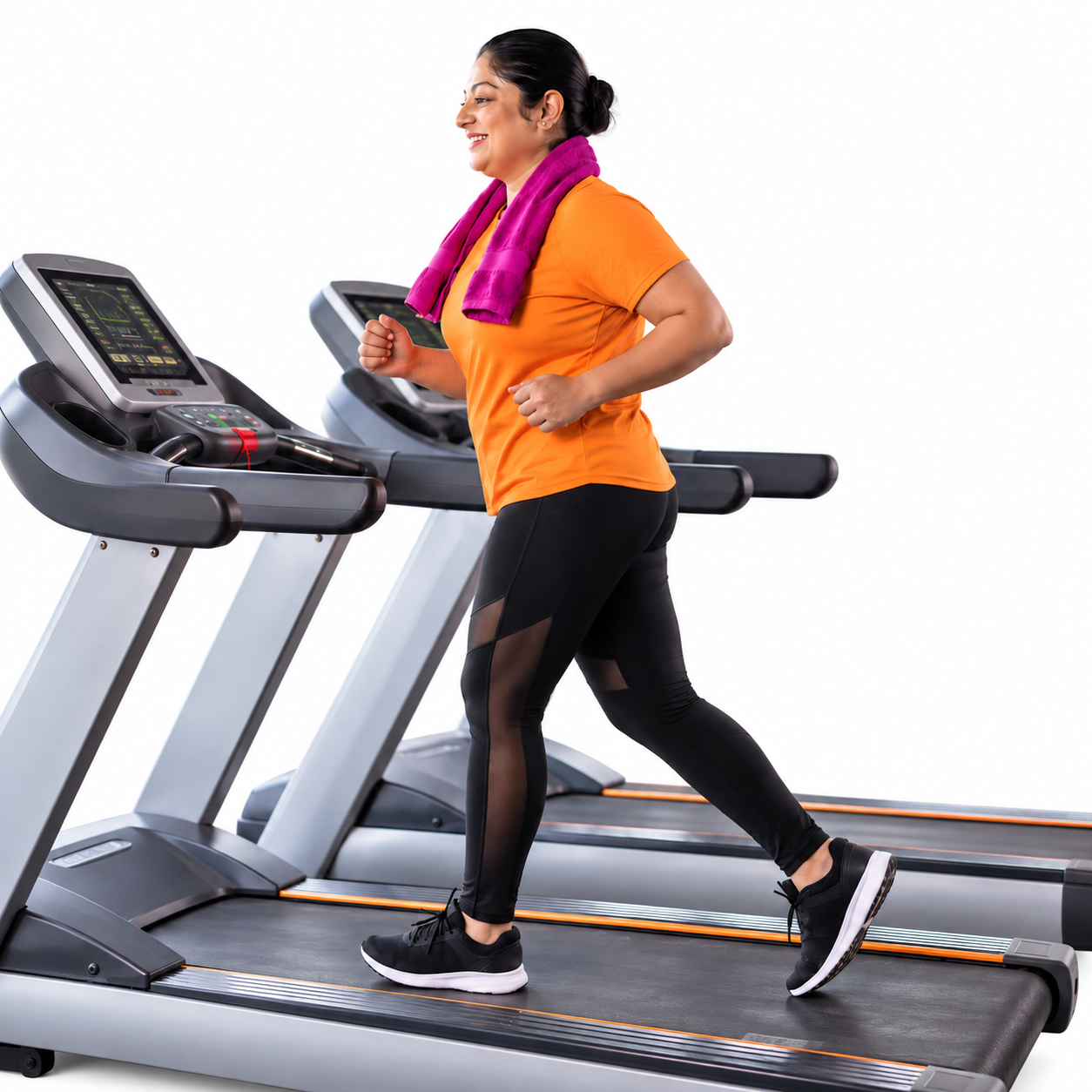
Life After Surgery
The Habits That Hold the Result
Dietary discipline is the key habit — eat slowly, chew well and avoid high-calorie foods, fizzy drinks and alcohol. Start physical activity early and build towards 150 minutes of weekly strength training to preserve muscle and support a youthful transformation.
- Eat slowly and chew thoroughly at every meal
- Avoid high-calorie foods, fizzy drinks and alcohol
- 150 minutes of strength-based activity each week
- Protein first, then vegetables, then carbohydrates
Quarterly follow-ups during the first year, followed by annual check-ups, help detect nutritional deficiencies and weight regain early. Support group meetings encourage healthy habits, maintain motivation and promote lasting weight management.
- Quarterly reviews through year one
- Annual check-ups for life thereafter
- Blood work to catch deficiencies early
- Support groups to sustain motivation
Elite endurance activities such as professional contact sports and body building should wait 6–12 months, until muscle mass and nutrition have recovered. Pregnancy should be delayed by 12–18 months after surgery to avoid fetal nutritional deficiencies during rapid weight loss.
- Contact sports and body building: wait 6–12 months
- Plan pregnancy only after 12–18 months
- Never skip supplements, even when you feel well
- Report persistent vomiting or pain immediately
Cosmetic Surgery After Weight Loss
Body Contouring, When the Time Is Right
Significant weight loss, especially with a high pre-operative BMI, can leave loose skin. Exercise, massage and non-surgical cosmetology treatments help reduce sagging. Surgical body contouring is considered only after 18 months, once weight has stabilised — the BAROS cosmetic team provides personalised after-weight-loss contouring support.
Face-Neck Lift
Cervicorhytidectomy — restores definition to the jawline and neck after major weight loss.
Tummy Tuck
Abdominoplasty — removes the redundant abdominal apron and tightens the abdominal wall.
Arm Lift
Brachioplasty — reshapes the upper arm where skin laxity is most visible.
Medial Thigh Lift
Thighplasty — addresses inner-thigh skin excess and improves comfort in movement.
Breast Lift
Mammoplasty — restores breast shape and position after volume loss.
Lower Body Lift
Belt lipectomy — a circumferential contouring procedure for the trunk and hips.
Surgery is a powerful tool — not a cure. Lasting weight loss requires lifelong lifestyle changes and ongoing support.BAROS — Institute of Bariatrics, Apollo Hospitals

India’s leading bariatric & metabolic surgery centre at Apollo Hospitals, Chennai. Expert surgical care, proven outcomes, and lifelong support
Contact Info:
-
Address:
Institute of Bariatrics, Apollo Hospitals, 21 Greams Lane, Chennai 600006
-
Email: care@baros.surgery
-
Phone: +91 99440 99440